

This workshop proposal, co-authored with Kate Grant, William Wong, Nisha Kodagoda and Kathryn Summers, was submitted to the British HCI Group conference in Liverpool, 2008. We were accepted and went on to hold the workshop at the conference. This versionContinue reading… Liverpool 2008 Design to read – workshop proposal
Category: Design
Label placement in forms: what’s best?
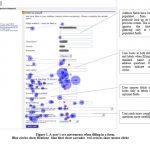
Introduction Forms are ubiquitous and a major way in which websites can become interactive. But they tend to receive little design attention – and much of that is spent arguing about details. This talk looks at one of those details:Continue reading… Label placement in forms: what’s best?
Buttons on forms – where to put them and what to call them
Here’s a question that I get asked quite often: “Does the ‘OK’ button go to the left or the right of the ‘Cancel’ button?” A common variant: ask the same question with ‘Back’ or ‘Previous’ instead of ‘Cancel’, and maybeContinue reading… Buttons on forms – where to put them and what to call them
Delivering Better Ballots

“An election is not held to test voters’ ability to follow instructions, but to receive instructions from the voters as to which candidates they will elect. No legitimate public purpose is served by designs that distort those instructions.” It’s goodContinue reading… Delivering Better Ballots
A whole industry sector’s websites rated according to their usability

Caroline Jarrett discusses the results of the annual Better Connected survey, reviewing the state of local authority websites
Usability of content is plain language: the USA Plain Language Act

Caroline Jarrett welcomes the advent of the US Government’s Plain Language in Government Communications Act with a reminder of what plain language is and what it isn’t.
People before pixels: what to think about before you start

Caroline Jarrett discusses putting users first in your forms design by choosing to keep, cut, postpone or explain the questions you are asking.
How to do ‘Contact Us’ badly (and some tips for doing it well)

Trying to report a problem with her email leads Caroline Jarrett to share some tips about how to ensure your website’s contact us function is effective for users.
When more data really isn’t the issue

No matter how big a fan of user testing you are, sometimes it’s not more data but action that’s needed. Caroline Jarrett makes the case for knowing how to strike the balance.
The problems and joys of reading research papers

For research papers to be useful we need to be able to understand them, apply what we understand, and have faith in their applicability to our work.