

Designing for people who do not read easily will actually improve usability for everyone, argues Caroline Jarrett
Category: design to read
Reading with Glaucoma

A woman with Glaucoma explains how her condition impacts on her ability to read, and suggests ways of designing better for people with poor sight.
Design to read framework: audiences and advice

At the workshop in Liverpool in September 2008, we learned about: some of the reasons why people may find reading difficult some of the guidelines and design approaches we use: our advice. Our audiences: reasons why people may find reading difficult In theContinue reading… Design to read framework: audiences and advice
Liverpool 2008 Design to Read workshop report
The first Design to Read workshop was held at the British HCI Group conference “HCI2008 Culture, Creativity, Interaction” in Liverpool, UK, on 2nd September 2008. Read the workshop proposal. Why people struggle to read The content of the workshop reflectedContinue reading… Liverpool 2008 Design to Read workshop report
Liverpool 2008 Design to read – workshop proposal

This workshop proposal, co-authored with Kate Grant, William Wong, Nisha Kodagoda and Kathryn Summers, was submitted to the British HCI Group conference in Liverpool, 2008. We were accepted and went on to hold the workshop at the conference. This versionContinue reading… Liverpool 2008 Design to read – workshop proposal
Usability of content is plain language: the USA Plain Language Act

Caroline Jarrett welcomes the advent of the US Government’s Plain Language in Government Communications Act with a reminder of what plain language is and what it isn’t.
The problems and joys of reading research papers
For research papers to be useful we need to be able to understand them, apply what we understand, and have faith in their applicability to our work.
Usability as a legal requirement: leaflets for medicines
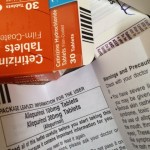
At the recent Information Design conference, Karel van der Waarde told us about the impact that European legislation has had on patient information leaflets. These are the pieces of paper that come with every medicine. European Law requires usability InContinue reading… Usability as a legal requirement: leaflets for medicines
“Easy Read” and writing for people with learning disabilities

How do you ensure your form is accessible to people with learning disabilities? Caroline Jarrett goes in search of advice and resources.
We need to include people with disabilities in our designs

Some suggestions for finding participants with disabilities to include in our usability testing