

As I write, it’s the height of summer here in the UK. The solstice has brought long, perfect days and a new crop of recent graduates, judging by the ‘can I have a job’ emails that I’m starting to get.Continue reading… How to get a job in usability
Author: Jane Matthews
Tom Johnson interviews Caroline about her new book, Forms that Work
In this podcast for Tom’s blog, I’d Rather Be Writing, I get to talk about my new book, Forms that Work: Designing Web Forms for Usability, co-authored with Gerry Gaffney. We discuss the perceived value users must feel in order to partContinue reading… Tom Johnson interviews Caroline about her new book, Forms that Work
Progressive disclosure: valid or sneaky?

Gianpiero on social media asked: “What do you feel about progressive disclosure in forms? Valid or sneaky (considering you’re probably hiding a lot of fields)?” I’m a huge fan of progressive disclosure, provided it’s used in an honest way. LetContinue reading… Progressive disclosure: valid or sneaky?
Statistically significant usability testing

It was an intriguing question: “How do I find out about statistically significant usability testing?”. I’m sure it’s one that you’ve encountered, and maybe your reaction was the same as mine: “That’s the wrong question”. Then I realised that ifContinue reading… Statistically significant usability testing
Lessons from Celebrity Chefs: heuristic inspection or user-centred design?

Two TV cookery programmes take a contrasting approach to redesigning their menus, with lessons for the way we approach usability in our services.
How to deal with international addresses on a website

Caroline Jarrett explains why offering users a plain field to enter their address is a better option than forcing them to use a format you’ve devised based on your own country’s standard way of expressing an address.
Where to place labels in forms
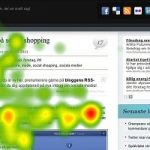
Small details can affect a user’s experience of filling out a form. At the 2009 UXPA conference Caroline Jarrett explains what some of those small details are and how to make forms more usable.
Designing paper forms
As the book Forms that Work: Designing web forms for usability is published, one of its’ authors, Caroline Jarrett, explains which of its chapters contain advice that can equally be useful when creating paper forms
Culture part 2 – what really matters in designing for different cultures

Caroline Jarrett shares some of her learnings from attending a conference where most participants were working cross-culturally
Colours and Culture – don’t always believe what you read

Thinking about colour in the context of different cultures can be more complicated than we’re led to believe. Caroline Jarrett points out some of the pitfalls.